2mins read
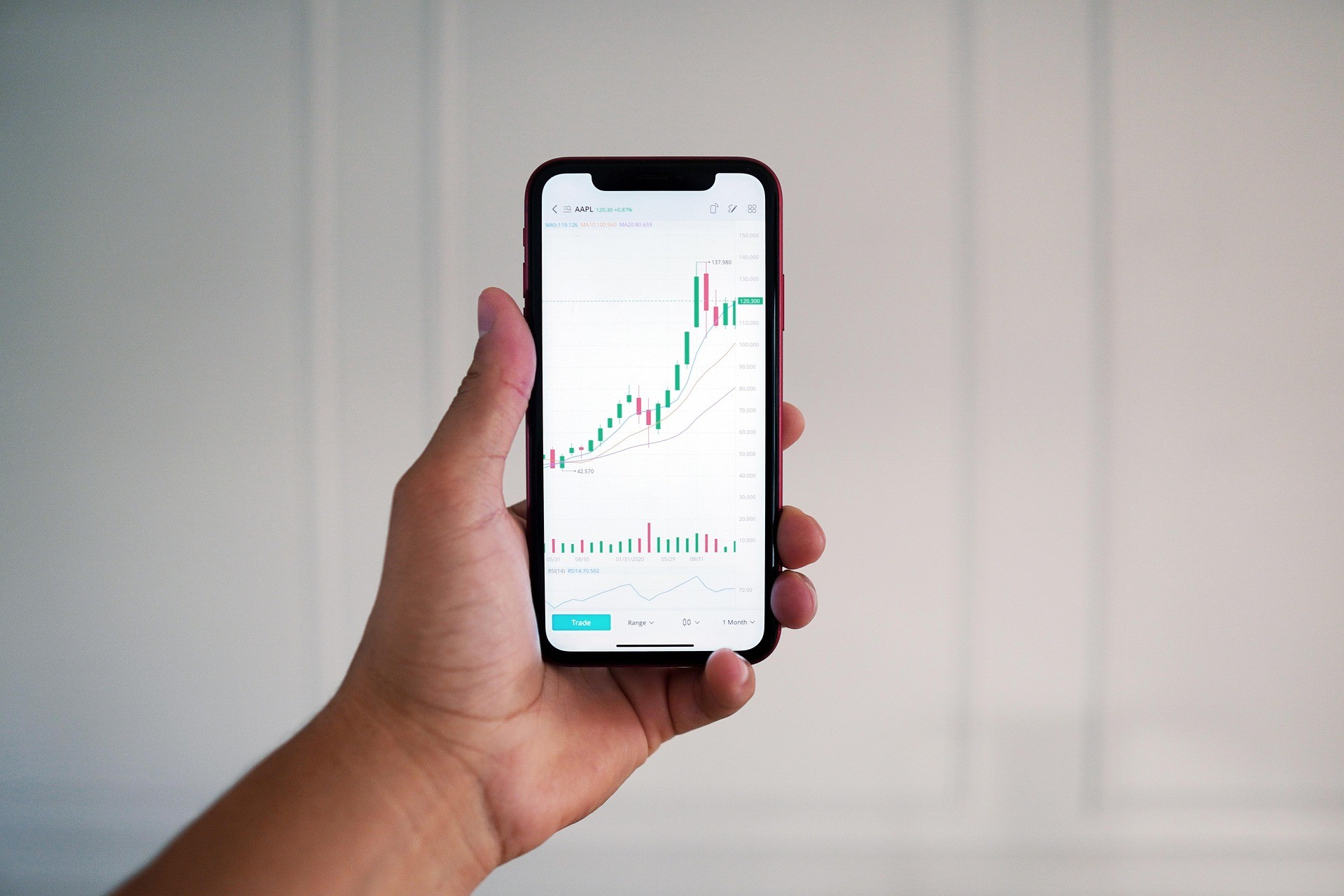
Day trading aims to capture intraday volatility through multiple small trades, using tight stops and technical setups. It suits traders who enjoy speed and constant monitoring. Swing trading captures bigger moves over days or weeks, relying on trend analysis, fundamentals, and patience. The main differences lie in time commitment, risk exposure, and psychological pressure. Choosing between the two depends on lifestyle, trading personality, and experience. Many traders combine both depending on market conditions and personal routine.
Forex traders typically choose between two popular trading styles: day trading and swing trading. Each has its own advantages, challenges, and strategy considerations. Understanding the differences helps traders pick the approach that fits their lifestyle, psychology, and financial goals.
Day trading focuses on short-term price movements within the same trading day. Traders enter and exit positions quickly, sometimes within minutes or hours. The goal is to capitalize on intraday volatility, taking multiple small profits that accumulate over time. Day traders rely heavily on technical analysis, quick decision-making, and real-time monitoring. They typically avoid holding positions overnight to reduce exposure to unexpected market gaps or news releases.
Swing trading, on the other hand, aims to capture price moves over several days or even weeks. Swing traders look for medium-term trends and patterns, often combining technical and fundamental analysis. They are less concerned with small price fluctuations and more focused on identifying significant directional moves. This style allows traders to spend less time in front of the screen compared to day trading.
The main difference lies in time commitment. Day traders need constant focus and fast execution. Swing traders can analyse markets at specific intervals without being glued to charts all day. Day trading may suit individuals who enjoy fast decision-making and frequent opportunities. Swing trading is ideal for those who prefer a balanced approach with fewer but higher-quality trades.
Risk management also differs. Day traders use tight stop-losses and smaller position sizes to handle frequent trades. Swing traders might employ wider stops to accommodate multi-day movements. Overnight risk is a key consideration for swing traders, meaning they must be comfortable holding positions through news events that could cause gaps.
Both styles can be profitable when executed with discipline. Traders should assess their personality, schedule, and stress tolerance before choosing a direction. It is also possible to blend both approaches depending on market conditions. To support traders, brokers like Olympus Capital offer access to educational materials, charting tools, and multiple trading platforms, allowing individuals to explore both styles.