2mins read
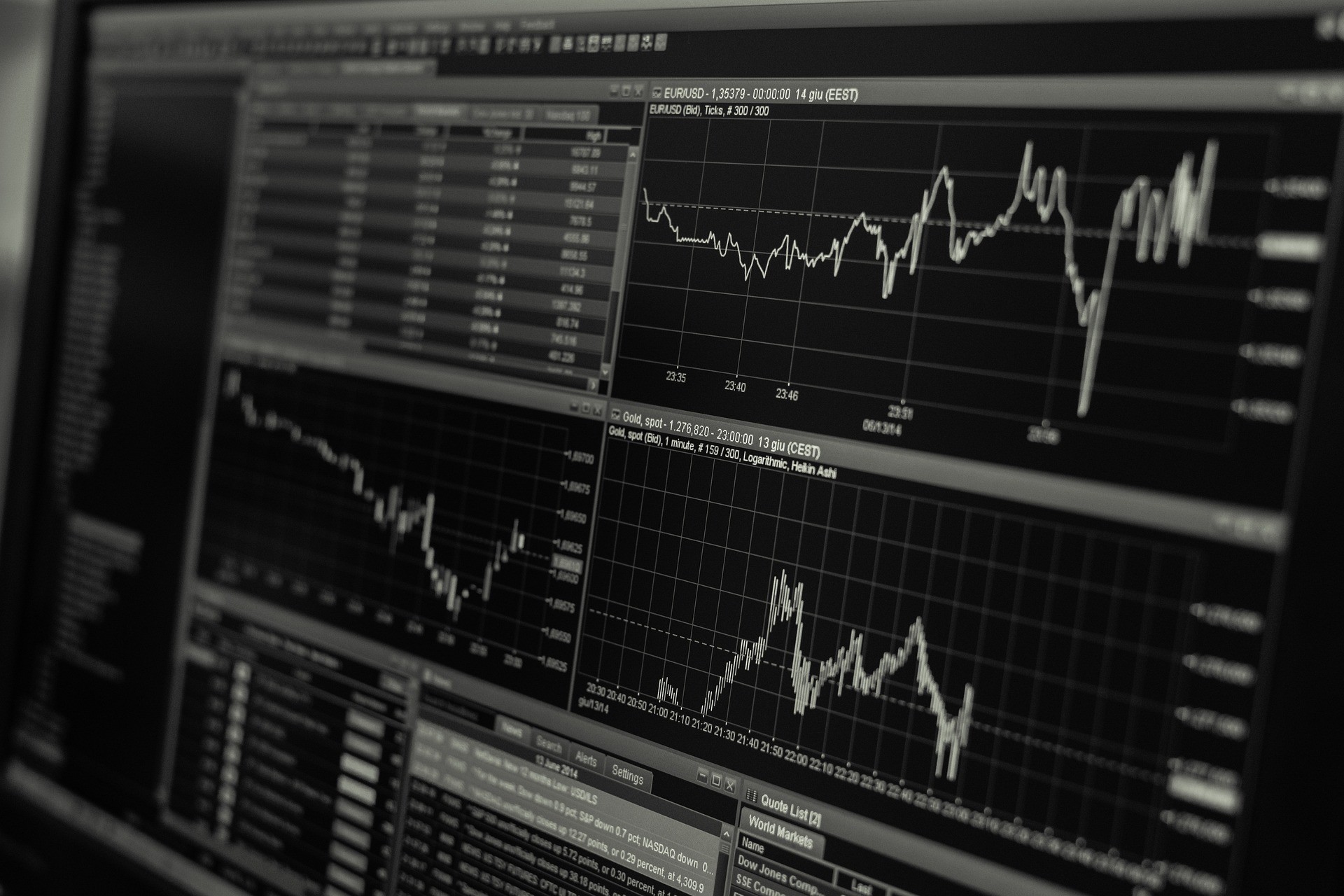
As we move toward 2026, the global forex market is expected to be shaped by major macro shifts, technological advancements, and changing trader behaviour. Central banks are slowly transitioning from aggressive tightening to potential rate cuts, making interest rate expectations a major driver of volatility. At the same time, platforms like MT5 and cTrader are enabling more retail traders to use automation and algorithmic tools once limited to institutions. Geopolitical shifts—including elections, trade disputes, and policy changes—will continue influencing safe-haven currencies like JPY and CHF. Meanwhile, commodity-linked currencies such as AUD, CAD, and NZD will react to demand cycles and China’s economic health. Emerging markets may see increased participation but with higher volatility. Overall, 2026 will reward informed, flexible traders who combine fundamentals, technicals, and risk-aware strategies.
One of the most important themes heading into 2026 is the trajectory of global interest rates. For over a decade, traders had become accustomed to a near-zero interest rate environment. That changed dramatically between 2022 and 2024 as global central banks, particularly the Federal Reserve and the European Central Bank, tightened policies to control inflation. By 2025, inflation trends began stabilising, prompting discussions around gradual monetary easing. Currency traders now focus heavily on the timing and depth of future rate cuts, since interest rate expectations remain a major driver of currency flows. Markets generally anticipate softer policy from major central banks over the next two years, but uneven economic performance across regions may trigger divergence. This divergence creates opportunities in pairs such as EURUSD, GBPUSD, USDJPY, and AUDUSD.
Another key trend shaping the market outlook is the growing adoption of technology within forex trading. Algorithmic trading, once dominated by institutions, has expanded significantly across retail traders due to easier access to automation tools. Platforms like cTrader and MT5 have simplified the development and execution of trading algorithms, and advanced data availability enables traders to analyse markets far more effectively than before. The rising sophistication of retail traders contributes to deeper liquidity and faster market responses, which could lead to more pronounced short-term volatility in 2026. Brokers that offer transparent execution and modern platforms, such as Olympus Capital, tend to attract this new generation of technologically-driven traders.
Geopolitical influences remain another essential factor. Global elections, trade relationships, and regional tensions can significantly affect safe-haven flows. The performance of currencies like the Swiss franc and Japanese yen often depends on how investors view global risks. In a world of evolving alliances and shifting economic power, safe-haven behaviour is expected to remain a central narrative in currency markets. Traders who follow geopolitical developments closely will be better positioned to anticipate potential volatility spikes or trend reversals.
Commodity-linked currencies also deserve attention. Countries such as Australia, Canada, and New Zealand continue to rely on global commodity demand. Shifts in energy markets, industrial metals, and agricultural exports may strongly influence AUD, CAD, and NZD. With the global economy undergoing a transition toward cleaner technologies, demand patterns for certain commodities could change, impacting these currencies. China’s economic performance remains a decisive factor as well. If China maintains stable growth, commodity currencies could experience support. However, weaker Chinese demand may pressure exporters, leading to softer currency performance.
Looking further ahead, the role of emerging markets in forex may expand. Currencies such as the Indian rupee, Brazilian real, and South African rand could see increased investor attention as global capital flows adjust. These markets offer potential returns but also carry higher volatility and risk, requiring traders to balance opportunity with caution.
Overall, the forex market in 2026 is likely to be shaped by interest rate shifts, geopolitical developments, technological adoption, and changing commodity trends. Traders should remain adaptable and informed, using both fundamental and technical perspectives to guide decisions. For those seeking continuous learning, many brokers including Olympus Capital provide educational content, analysis, and insights to help traders stay prepared for evolving market conditions.