2mins read
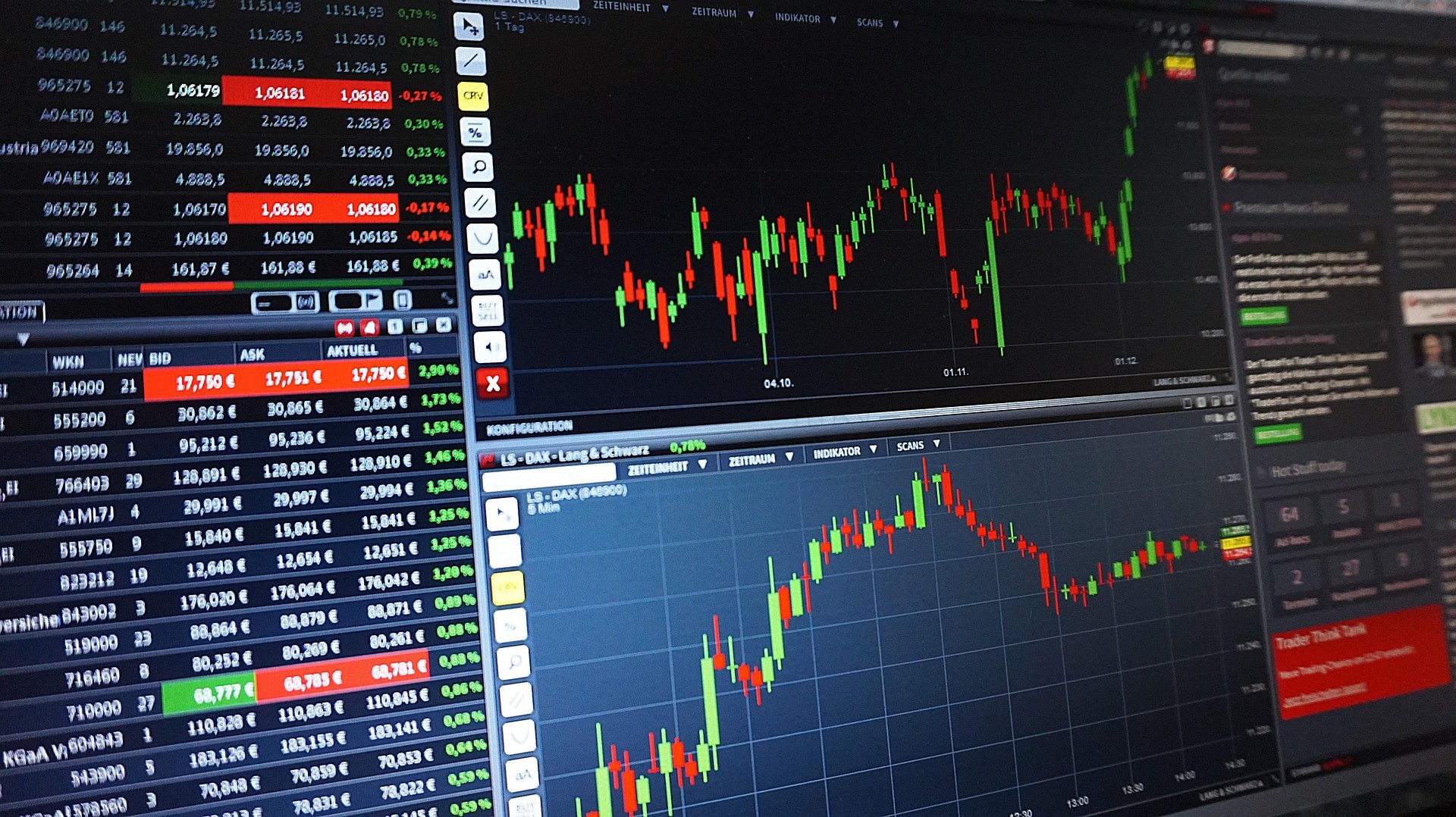
Volatility is at the core of forex trading. It increases opportunities but also amplifies risk, especially during high-impact events like NFP, CPI releases, or unexpected central-bank decisions. Market sentiment—fear or optimism—also plays a huge role in pushing safe-haven currencies or risk-driven pairs. Liquidity varies across sessions, making the London–New York overlap the most active and predictable. To trade volatility effectively, traders must use disciplined stop-loss placement, position sizing, and tools like ATR or Bollinger Bands to judge market expansion or contraction. Combining event awareness with technical and emotional discipline helps traders turn volatility into an advantage.
Volatility is one of the defining characteristics of the foreign exchange market. It creates opportunities for profit but also introduces risk, making it important for traders to understand what drives volatility and how to manage it effectively. Forex markets can shift rapidly in response to global events, economic releases, and investor sentiment. For traders, learning how volatility behaves and how to navigate it is a crucial skill.
The most common driver of volatility is economic data. Key indicators such as GDP, inflation, employment figures, and interest rates often cause immediate reactions in currency pairs. When data deviates from expectations, markets adjust quickly, leading to sudden price swings. This is particularly noticeable around high-impact events such as US Non-Farm Payrolls, CPI releases, and central bank announcements. Traders who prefer fast-moving markets often monitor these events closely and build strategies around them.
Another driver is market sentiment. Forex markets are deeply influenced by how investors perceive risk at any given moment. During periods of uncertainty—political instability, financial stress, geopolitical conflict—investors often move toward safe-haven currencies like the US dollar, Swiss franc, or Japanese yen. This shift can cause significant movements in pairs involving these currencies. Conversely, when sentiment improves, risk-sensitive currencies such as AUD, NZD, and emerging market pairs may strengthen.
Liquidity changes also impact volatility. Forex is a highly liquid market, but liquidity varies depending on time of day and market sessions. During major trading sessions, especially the London–New York overlap, markets tend to be more active with tighter spreads. However, during less active hours or holidays, liquidity drops and price movements can become more erratic.
To navigate volatility successfully, traders need structured approaches. One effective method is using defined stop-loss and take-profit levels to protect capital and secure gains. Volatility can amplify losses quickly, so managing risk becomes even more essential during fast-moving markets. Position sizing also becomes important; using smaller positions during uncertain periods helps limit exposure.
Another useful strategy involves technical analysis tools such as Bollinger Bands, ATR (Average True Range), and volatility-based indicators. These tools help traders gauge when markets are ranging, expanding, or contracting. For example, Bollinger Band expansions often indicate an upcoming trend move, while contractions suggest consolidation.
Some traders adopt a news-trading approach, preparing for upcoming events and reacting quickly to market outcomes. Others prefer longer-term positions, avoiding the noise of short-term volatility. The right approach depends on a trader’s personality and risk tolerance.
Volatility is neither good nor bad. It is simply a feature of the forex market. With proper risk management, awareness of market conditions, and disciplined execution, traders can use volatility to their advantage. Educational platforms and brokers like Olympus Capital often publish regular market insights and updates that can help traders stay informed about upcoming volatility events.